
Howard Carter had been working in Egypt for over 30 years, searching for the tomb of the little-known pharaoh Tutankhamun. Most experts believed the tomb had been discovered and looted long ago. Carter's funding was about to run out when he made one final attempt that would change archaeology forever.
The Final Search
Carter's team was clearing debris near the tomb of Ramses VI when they discovered a step cut into the rock. Following the steps, they found a sealed doorway with the seals of Tutankhamun still intact. This was unprecedented—most royal tombs had been looted in antiquity.
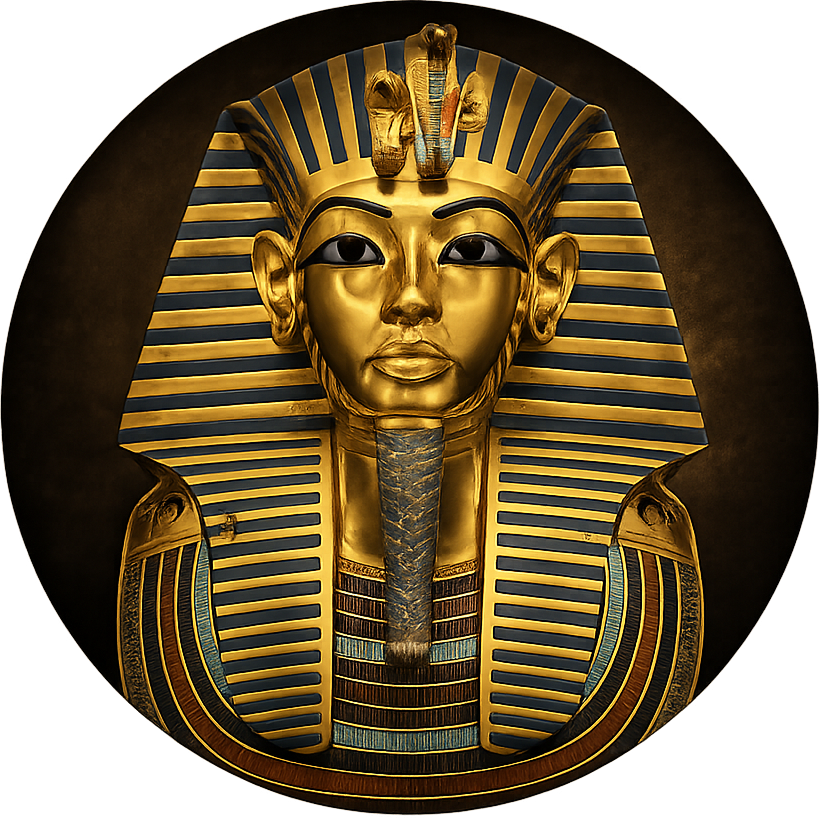
Carter made a small hole and peered inside, seeing "wonderful things" by the light of a candle. The tomb was remarkably intact, containing over 5,000 artifacts including the famous golden death mask of the young pharaoh.
Treasures Beyond Imagination
The tomb contained an extraordinary collection of artifacts: golden jewelry, chariots, weapons, furniture, and everyday objects that would be needed in the afterlife. The preservation was remarkable, providing unprecedented insight into ancient Egyptian life and death rituals.
The most famous artifact was the golden burial mask, weighing over 11 kilograms of solid gold. It depicted the young pharaoh with remarkable detail and has become one of the most recognizable artifacts from ancient Egypt.
The Young Pharaoh
Tutankhamun was a relatively minor pharaoh who ruled for only about nine years, dying around age 19. Despite his short reign and limited historical impact, his tomb's discovery made him the most famous pharaoh in history.
The treasures from his tomb have taught us more about ancient Egyptian royalty than any other discovery. They show the incredible craftsmanship of the time and the elaborate beliefs about the afterlife that drove Egyptian culture.
A Lasting Legacy
The discovery sparked worldwide interest in ancient Egypt and revolutionized archaeology. It demonstrated that careful excavation could reveal tombs that had remained hidden for millennia, inspiring new generations of archaeologists to continue the search.
Today, the artifacts from Tutankhamun's tomb are among the most visited museum exhibits in the world, continuing to fascinate visitors with their beauty and the story of their accidental discovery.