
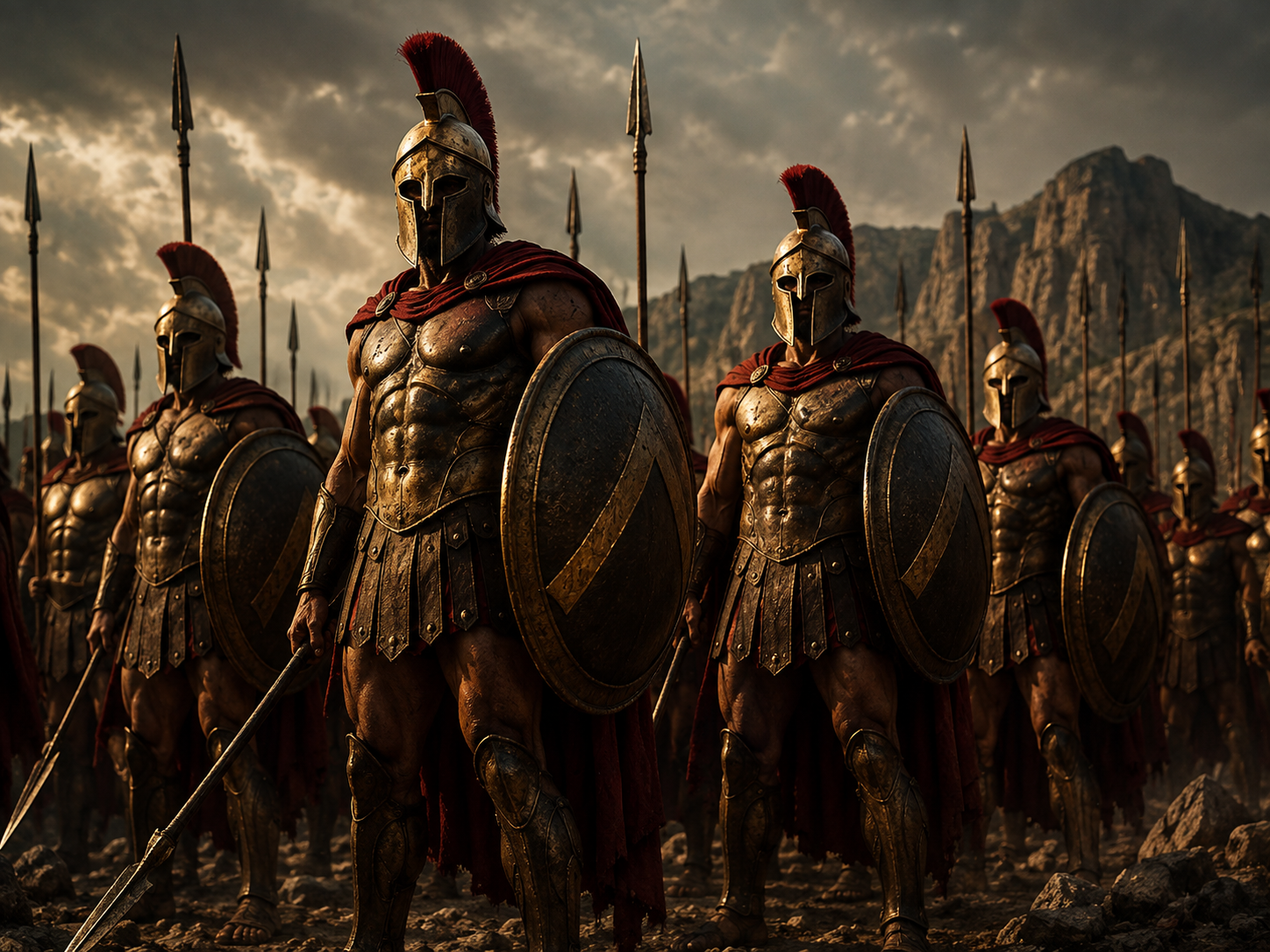
The Spartan society was one of the most unique in ancient Greece. Located in the southern Peloponnese region, Sparta was known for its military prowess and the rigorous training of its citizens. But behind the legendary warriors lay a complex civilization with sophisticated governance, cultural achievements, and a social structure that was unlike anything else in the ancient world.
The Agoge: Training From Birth
Spartan boys began their military training at age seven, entering a state-sponsored education system called the agoge. This system was designed to produce disciplined soldiers who could serve the state effectively. Children were taken from their families and raised communally, learning endurance, combat skills, and absolute obedience to the state.
The training was brutal by modern standards. Boys were underfed, encouraged to steal food (and punished if caught), and subjected to harsh physical discipline. But this training produced some of the most effective soldiers in history, capable of fighting in tight formations and maintaining discipline under extreme conditions.
Beyond the Military: Spartan Society
Contrary to popular belief, Spartan society was not purely militaristic. They had a complex system of government with two kings, a council of elders, and elected officials. This dual kingship system provided checks and balances, while the gerousia (council of elders) and ephors (overseers) created a sophisticated governmental structure.
Spartans also valued arts, poetry, and philosophy, though to a lesser extent than other Greek city-states. Their poetry was known for its brevity and wit—giving us the word "laconic," named after their region of Laconia. Their music and dance were integral parts of religious ceremonies and military training.
The Role of Spartan Women
Spartan women enjoyed more freedom than women in other Greek societies. They could own property, run businesses, and were expected to maintain physical fitness to bear strong children. While they did not serve in the military, their role was crucial to Spartan society.
Women managed estates while men were away at war or training. They were educated in reading, writing, and athletics—unusual for ancient Greece. This relative freedom and responsibility made Spartan women among the most empowered in the classical world.
The Spartan Legacy
Sparta's influence extended far beyond its military victories. The Spartan constitution influenced political thought for centuries. Their military tactics and discipline became the standard that other armies sought to emulate. Even today, the word "Spartan" connotes discipline, simplicity, and endurance.
While Sparta eventually declined and was conquered by Rome, its legacy endured. The ideals of service, discipline, and civic duty that defined Sparta continue to influence military organizations and philosophical discussions about the relationship between the individual and the state.